

Toughened Safety Glass — What It Is, How Strong It Actually Is, and Where to Use It
Most people only ask one real question about toughened glass: is it actually safer, or is that just what suppliers say to justify the higher price?
It’s a fair question. The term gets used loosely — some suppliers say “toughened,” some say “tempered,” some just say “safety glass” and leave it at that. Here’s the honest, plain-English version: what toughened glass actually is, how it’s made, how strong it really is compared to normal glass, and where it makes sense to use it.
What Is Toughened Safety Glass?
Toughened safety glass is ordinary glass that has been heat-treated to make it significantly stronger and, critically, to change how it breaks. Standard untreated glass — called annealed glass — shatters into large, sharp, dagger-like shards when it breaks. Toughened glass, when it finally does break, fractures into small, blunt, relatively harmless pieces. That difference in breaking pattern is the entire point of the “safety” in safety glass.
It isn’t a different material. It’s the same glass, processed differently — and that processing is what most buyers never get a clear explanation of.
Toughened Glass vs Tempered Glass — Is There Actually a Difference?
No. “Toughened glass” and “tempered glass” describe exactly the same product, made the same way. The term split is mostly regional — “toughened” is the more common term in British-influenced markets including Pakistan and the wider Commonwealth, while “tempered” is the standard American term. You’ll see both used interchangeably across suppliers in Lahore and across Pakistan, and there’s no meaningful difference to look for between a quote that uses one word versus the other.
What does matter — and what the naming doesn’t tell you — is the thickness, the processing standard the glass was made to, and which supplier actually performed the heat treatment versus simply selling glass labelled as tempered.

How Toughened Glass Is Made
The process is genuinely simple to understand, even though the equipment behind it isn’t. A sheet of standard annealed glass is heated to around 620–650°C — close to its softening point — and then cooled rapidly with high-pressure air jets across both surfaces at once.
That rapid, even cooling is what creates the effect. The outer surfaces cool and contract first, locking into a state of permanent compression, while the inner core cools more slowly and ends up in a state of tension, held in place by the compressed surface layers around it. That internal balance — compression on the outside, tension on the inside — is what gives toughened glass both its added strength and its distinctive breaking pattern. When the surface compression is eventually breached by a sharp enough impact, the stored tension inside releases all at once, and the glass fractures into small, roughly cube-shaped fragments rather than long shards.
How Strong Is Toughened Glass, Really?
Toughened glass is typically four to five times stronger than annealed glass of the same thickness, both in terms of impact resistance and resistance to thermal stress — meaning it tolerates rapid temperature changes (direct sun followed by rain, for example) far better than untreated glass, which can crack from thermal shock alone.
The breaking pattern is the part that actually matters for safety. When toughened glass does fail, it doesn’t produce the long, sharp shards that make broken annealed glass dangerous. It dices into small, granular, relatively blunt fragments — which is precisely why it’s the required or recommended specification for shower enclosures, glass doors, railings, and any application where someone could be standing close to the glass when it breaks. It isn’t unbreakable. It’s dramatically less dangerous when it does break, which is a different and more honest claim.
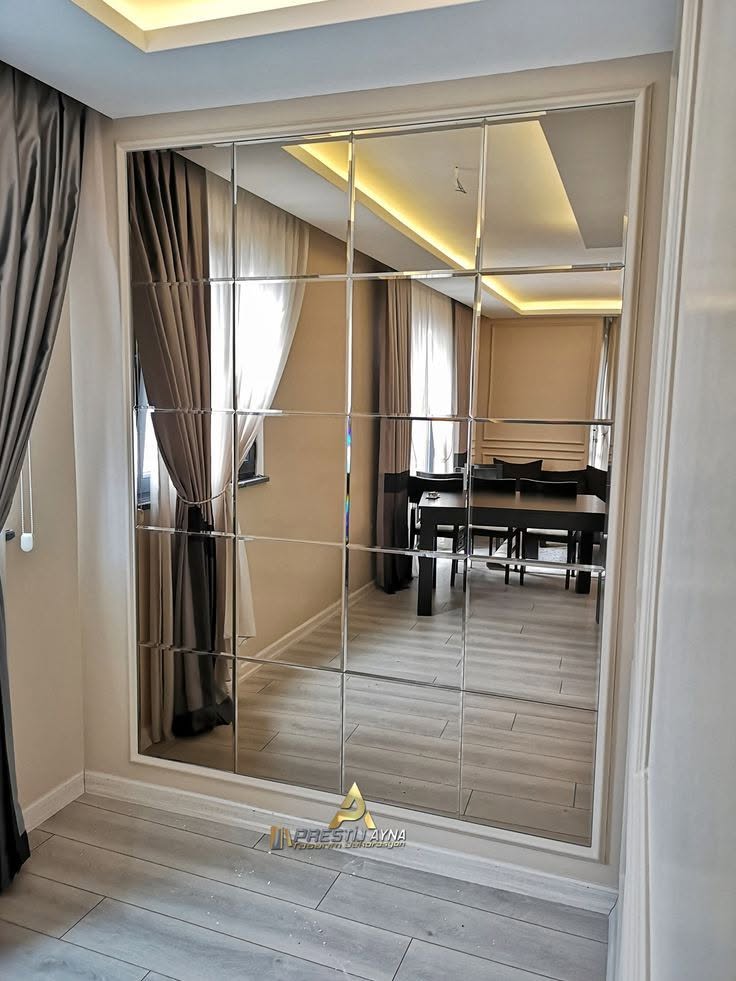
Toughened Glass Thickness Guide
Toughened glass is manufactured in a range from roughly 4mm up to 19mm, and the right thickness depends entirely on the application — not on a general sense of “thicker is safer.”
| Thickness | Typical Use |
|---|---|
| 4mm – 5mm | Cabinet doors, small furniture panels, light fixtures |
| 6mm | Interior glass doors, small partitions, light tabletops |
| 8mm | Standard glass partitions, lighter shower panels, balustrade infill |
| 10mm | Standard residential shower enclosures, larger partitions |
| 12mm | Frameless shower doors, structural glass railings, heavier doors |
| 15mm – 19mm | Structural glazing, large facade panels, heavy-load applications |
If you’ve already looked at shower enclosure specifications, this will look familiar — our breakdown of Toughened Glass goes into exactly why those two thicknesses specifically are the residential standard and how the choice affects hinge load and panel size.
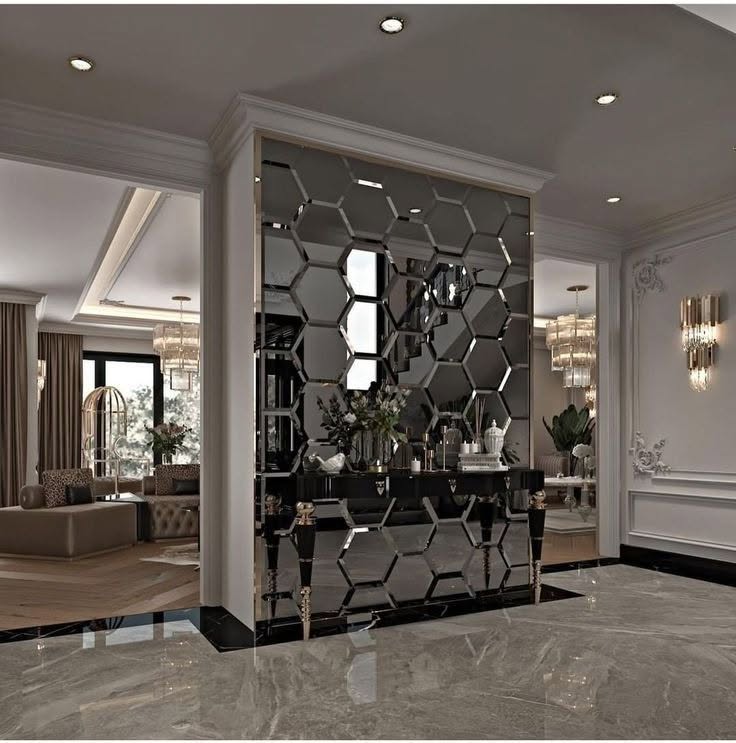
Where Toughened Safety Glass Is Used
Shower Enclosures and Bathroom Glass
The single most common residential application for toughened glass in Pakistan. A shower enclosure puts glass directly next to a person, in a wet environment, supporting hinges and door hardware — exactly the combination of conditions where the breaking pattern matters most. 10mm and 12mm are the standard specifications here.
→ See our full service: Frameless shower enclosures in Lahore
Glass Partitions and Office Doors
Office partitions and glass doors see constant daily contact — hands, shoulders, occasionally a misjudged push. Toughened glass at 8mm to 10mm is the standard specification for partition panels, with 10mm to 12mm typically used for glass doors that take hardware and daily swing stress.
Glass Railings and Staircases
Structural glass railings carry a genuine load-bearing responsibility — someone leaning their full weight against the panel. 12mm is the practical minimum for residential glass railings, with 15mm or laminated toughened constructions specified for taller drops or commercial applications.
Windows, Facades, and Tabletops
Ground-floor windows, large facade panels, and glass tabletops all benefit from toughened glass for the same underlying reason: any application where impact is plausible and the glass is at a height or position where broken shards would pose a real risk.
Can Toughened Glass Be Cut, Drilled, or Modified After Processing?
No — and this is the detail that separates a supplier who explains the process from one who just takes an order. Toughened glass cannot be cut, drilled, or have its edges reworked after the heat treatment is complete. The internal stress pattern that gives the glass its strength is also exactly why it can’t be modified afterward — any attempt to cut or drill a toughened panel disturbs that internal balance and the entire sheet will shatter immediately, not crack.
This is why every measurement has to be confirmed before fabrication, not adjusted on site afterward. All cutting, edge polishing, and hole-drilling for hardware has to happen on the annealed glass before it goes into the tempering furnace. If a panel arrives 5mm too large for an opening, the fix isn’t a quick trim on-site — it’s a new panel. That’s exactly why an accurate site measurement before fabrication matters as much as the glass specification itself.
Toughened Glass vs Laminated Glass — Which Should You Choose?
Both are safety glass types, but they solve a slightly different problem. Toughened glass is stronger than annealed glass and breaks into small, blunt fragments — but when it breaks, it breaks completely and immediately, leaving an open gap.
Laminated glass — two or more glass layers bonded around an interlayer, typically PVB — behaves differently. When it breaks, the layers and interlayer generally hold the broken glass together in place rather than falling away. That makes laminated glass the better choice for overhead glazing (skylights, glass roofs) and for high-security or acoustic applications.
Toughened Glass Price in Pakistan — 2026 Rates
Toughened glass typically carries a 30–50% premium over annealed glass of the same thickness. These are working ranges for 2026:
| Thickness | Approx. Price per Sq Ft (PKR) |
|---|---|
| 5mm | 350 – 500 |
| 6mm | 400 – 580 |
| 8mm | 480 – 650 |
| 10mm | 550 – 750 |
| 12mm | 650 – 900 |
→ See Service Page: Custom Wall Mirrors
Frequently Asked Questions
Is toughened glass the same as tempered glass?
Yes. “Toughened” and “tempered” describe the identical product and manufacturing process — the difference is purely regional terminology.
How strong is toughened glass compared to normal glass?
Toughened glass is typically four to five times stronger than standard annealed glass of the same thickness, with significantly better resistance to impact and thermal change.
What is the price of toughened glass in Pakistan?
Prices range from PKR 350 per square foot for 5mm up to PKR 900 per square foot for 12mm. Exact pricing depends on finishing and hardware drilling required.
Can toughened glass be cut after it’s been processed?
No. Toughened glass cannot be cut or drilled after tempering — doing so causes the panel to shatter immediately. All fabrication must be done before the tempering process.
Is toughened glass completely shatterproof?
No. Toughened glass is significantly more impact-resistant, but it can still break under sufficient force. What changes is that it breaks safely into blunt fragments.
Toughened safety glass isn’t a premium add-on — for shower enclosures, partitions, railings, and doors, it’s the specification that makes the difference between a panel that’s merely strong and one that’s genuinely safe to have around. If you’re specifying toughened glass for a project, getting the measurement and thickness right before fabrication is the part worth getting right first.